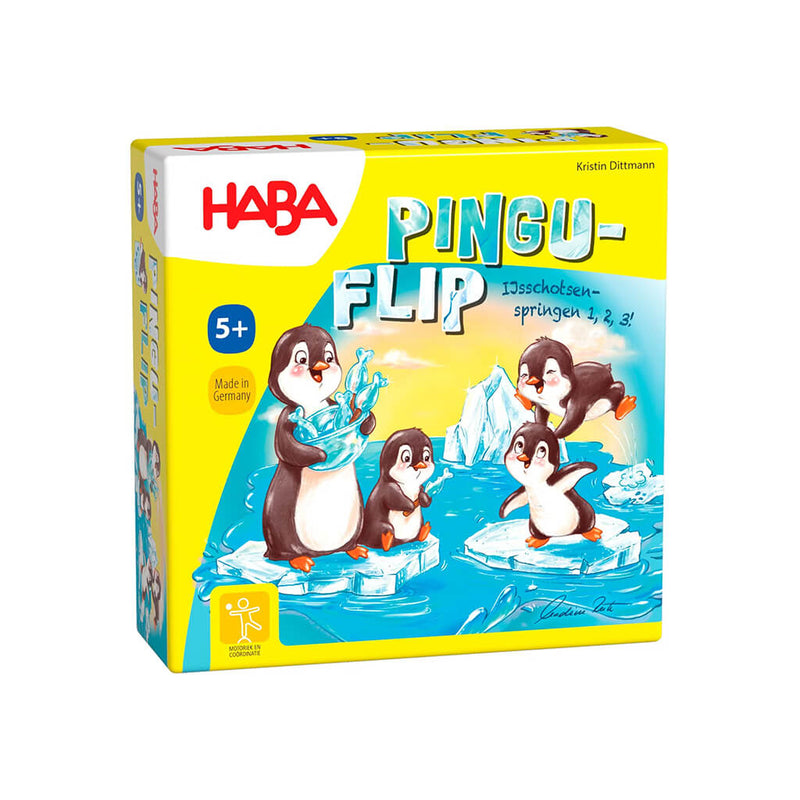
Pengu Sport Game employs a diverse strategy to encryption, https://sportpengu.com, specifically emphasizing the Advanced Encryption Standard (AES) for data security in the UK. This technique, renowned for its powerful symmetric key encryption, makes use of different key lengths to bolster defense against cyber threats. Complementing AES, the use of Transport Layer Security (TLS) serves an vital role in guaranteeing data integrity. Nonetheless, the game’s security framework extends beyond encryption, prompting a detailed look of further protective measures.
Overview of Pengu Sport Game’s Security Approach
As the online environment evolves, Pengu Sport Game employs a multifaceted security approach that focuses on player safety and data integrity. This strategy encompasses real-time monitoring, sophisticated user authentication protocols, and the implementation of access controls to reduce unauthorized data manipulation. Pengu Sport Game makes use of intrusion detection systems that constantly evaluate network traffic for anomalous activities, swiftly addressing potential threats. Furthermore, the platform promotes the use of robust passwords and two-factor authentication to enhance user account protection. Regular security audits additionally ensure compliance with evolving regulatory standards, cultivating a strong ecosystem for secure gameplay. By combining these diverse elements, Pengu Sport Game successfully shields sensitive player information, strengthening trust and promoting a secure gaming experience within its digital environment.
Advanced Encryption Standard (AES)
To further enhance its protection system, Pengu Sport Game implements the Advanced Encryption Standard (AES) for safeguarding sensitive user data. AES, established by the National Institute of Standards and Technology (NIST), uses a symmetric key algorithm, permitting both encryption and decryption with the same key. It functions on block sizes of 128 bits, with key lengths of 128, 192, or 256 bits, ensuring varying levels of security. The cipher incorporates multiple rounds of modification, including substitution, permutation, and mixing, boosting its resistance against cryptographic attacks. As a result, Pengu Sport Game effectively lowers risks related to illicit access and data breaches. The implementation of AES not only adheres to industry standards but also instills confidence in users concerning the security of their personal information.
Transport Layer Security (TLS) Implementation
While securing safe data transmission remains essential, Pengu Sport Game has carried out Transport Layer Security (TLS) to protect the integrity and confidentiality of user interactions over the network. This execution is key for preserving user trust and protecting confidential information. Key features comprise:
- Encryption
- Authentication
- Integrity
- Session Resumption
Through these mechanisms, Pengu Sport Game strengthens its digital environment, championing user privacy and security in an progressively interconnected world.
Data Encryption at Rest
Data encryption at rest is essential for safeguarding user data stored on Pengu Sport Game’s servers. It utilizes advanced encryption standards (AES), ensuring that data remains private and protected from unauthorized access. By encrypting critical information, such as user profiles and game statistics, Pengu Sport Game lowers the risk of data breaches and improves compliance with data protection regulations.
Encryption keys are carefully managed, typically using hardware security modules (HSMs) to enhance key security and availability. This multi-layered approach lessens the impact of potential vulnerabilities. Additionally, periodic audits and penetration testing help to assess the strength of the encryption methods in use. Overall, efficient data encryption at rest plays a crucial role in maintaining trust and integrity in the gaming environment.
Multi-Factor Authentication (MFA)
Multi-Factor Authentication (MFA) greatly enhances security protocols within the Pengu Sport Game ecosystem. By integrating various user verification strategies, MFA not only fortifies user access controls but also reduces risks associated with unauthorized access. This multi-layered approach guarantees that even if one authentication factor is breached, additional barriers remain in place to protect sensitive data.
Enhanced Security Protocols
Putting in place improved security protocols, particularly Multi-Factor Authentication (MFA), greatly reinforces the protection of user accounts in the Pengu Sport Game. MFA provides a critical layer of security by requiring multiple verification steps before granting access. This method considerably discourages unauthorized access and enhances overall security posture through:
- User Identity Verification
With these protocols, Pengu Sport Game enhances its defense against emerging threats, securing user data efficiently.
User Verification Strategies
Enhanced security protocols set the stage for strong user verification strategies within the Pengu Sport Game. The implementation of Multi-Factor Authentication (MFA) significantly improves the security structure by demanding users to provide two or more verification factors before accessing their accounts. These factors include something users know (like a password), something they have (like a smartphone app for generating time-sensitive codes), and something they are (biometric identifiers). By using a tiered approach, Pengu Sport Game diminishes the risk of unauthorized access. Real-time analysis uses versatile risk assessments, making the verification process both seamless and durable. As cyber threats advance, these strategies not only fortify defenses but also instill user confidence in the integrity of their accounts, crucial for online engagement.
Compliance With Regulatory Standards
As regulatory structures surrounding data security progress, developers of the Pengu Sport Game must ensure their encryption methods comply with these standards to protect user information efficiently. Compliance isn’t merely a formality; it’s an crucial component of user trust and operational success.
To achieve this, developers should focus on:
- GDPR Alignment
Conclusion
To conclude, Pengu Sport Game’s integration of AES encryption and TLS execution forms an all-encompassing security structure that effectively safeguards user data in the UK. By employing strong symmetric key encryption and maintaining data integrity during online interactions, the game creates a strong defense against potential breaches. Additionally, its dedication to multi-factor authentication and regulatory compliance further improves user trust, establishing Pengu Sport Game as a pioneer in data security within the gaming industry.